Raw materials with critical availability, rising global demand, and a growing responsibility for sustainable industrial value creation: the transformation towards a sustainable economy is one of the greatest challenges—and opportunities—of our time.
For Knorr‑Bremse, closing material loops, recovering valuable raw materials, and building more resilient industrial processes are far more than ecological imperatives. From a business perspective, they are key levers for long‑term strategic growth and represent an important future market.
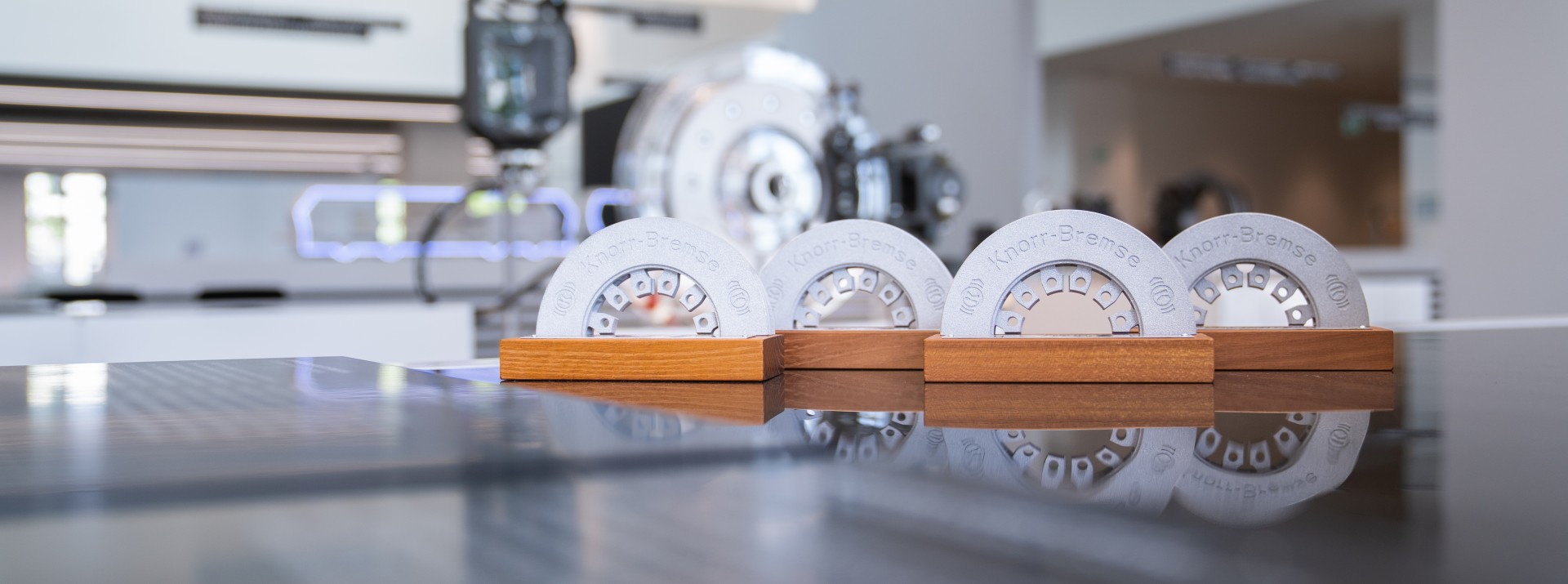
By launching the Knorr‑Bremse Circular Technology Award, the company is therefore making a targeted investment in innovations that unlock this potential. Through collaboration with start‑ups and innovation partners, Knorr‑Bremse aims to gain early access to new technologies and accelerate their transfer into industrial applications within the company.
Why circular economy is strategically important for Knorr‑Bremse.
As a global leader in braking systems and other safety‑critical solutions for the rail and commercial vehicle industries, Knorr‑Bremse bears a special responsibility—towards customers, society, and the environment. At the same time, the economic framework is changing noticeably: demand for raw materials is rising, supply chains are becoming more volatile, and regulatory requirements are increasing.
The ability to efficiently recover materials and reuse them thus becomes a decisive competitive factor. Green Technologies play a key role in this context, as they deliberately combine sustainability with industrial scalability and economic performance.
The Circular Technology Award is therefore a central pillar of Knorr‑Bremse’s overarching Green Tech strategy, through which the company aims to open up new business fields and strategically expand its portfolio.

An exciting growth sector like green tech requires creative solutions. Especially now, as the demand for raw materials is rising sharply, we want to be among the first to harness this potential and develop it into profitable business models.
Marc Llistosella – CEO of Knorr-Bremse AG
The Award. A competition for the most innovative Green Tech solutions.
The Knorr‑Bremse Circular Technology Award, launched in January 2026, was specifically aimed at start‑ups and young technology companies whose solutions make a tangible contribution to the circular economy. The focus was on innovative Green Technologies in areas that are strategically relevant for Knorr‑Bremse: Automated Disassembly and Critical Raw Materials Recovery. Particular attention was given to:
- Automated disassembly of components, for example using AI‑based robotics
- Innovative recycling processes for recovering critical raw materials
- Scalable technologies capable of sustainably transforming industrial applications
For the competition, Knorr-Bremse and the Heinz Hermann Thiele Family Foundation have joined forces with project partner CIRCULAR REPUBLIC, an implementation platform for the circular economy, to bring together the best of different worlds. Together, they launched the search for four innovative start‑up solutions with which Knorr-Bremse now aims to take the next steps in the field of Green Technologies. The three partners bring together entrepreneurial foresight, technological expertise, and a strong circular‑economy network—purposefully building bridges between emerging technologies and industrial application, and creating solutions that make circular economy economically viable.
Impressive range of solutions across diverse technology fields.
From more than 50 submissions from across Europe, an expert jury selected the four most innovative Green Tech solutions based on transparent evaluation criteria. In early May, the four winning start‑ups were honored with the Knorr‑Bremse Circular Technology Award at IFAT Munich, the world’s leading trade fair for environmental technologies in water, recycling, and circularity, and received prize money of EUR 25,000 each.
Partner of the Award
Co-initiator of the Knorr-Bremse Circular Technology Awards:
The Heinz Hermann Thiele Family Foundation manages the entrepreneurial legacy of Knorr‑Bremse’s principal shareholder, who passed away in 2021. Its mission is to preserve the life’s work of Heinz Hermann Thiele, who developed the company into a successful global industrial group over many decades.
Implementation partner for the Knorr-Bremse Circular Technology Awards:
CIRCULAR REPUBLIC is Europe’s leading implementation platform for the circular economy. As part of UnternehmerTUM—Europe’s largest center for innovation and entrepreneurship—the initiative empowers established companies and startups to bring circular innovations and scalable business models to life. By connecting relevant stakeholders across the entire value chain, CIRCULAR REPUBLIC drives the systemic change that is crucial for a resilient, sustainable, and competitive economy of the future.
All start‑ups applying for the Award were assessed based on the following criteria:
- Impact Pioneer:
The product and/or business model must promote positive social and ecological changes. - Innovation & Market Potential:
Start-ups or SMEs should have the ability to develop genuinely new ideas and make them marketable. - Market Resonance & Maturity:
There should already be positive reactions and acceptance from customers for the start-up’s product or service. - Strong Team:
The founding team should demonstrate high competence, collaboration, and goal orientation. - Industry Fit:
Ability to conduct Proof of Concept for an industry product
The expert jury
The jury comprised: Marc Llistosella (CEO, Knorr‑Bremse AG), Julia Thiele‑Schürhoff (Member of the Executive Board, Heinz Hermann Thiele Family Foundation), Stephan Sturm (Chair of the Executive Board, Heinz Hermann Thiele Family Foundation), Matthias Ballweg (Co‑Founder, CIRCULAR REPUBLIC), Roland Gauß (Director, EIT Raw Materials), Gisela Lanza (Head of the Institute of Production Science, Karlsruhe Institute of Technology), Niclas‑Alexander Mauss (Co‑Founder, CIRCULAR REPUBLIC), An Nuyttens (President Rare Earths, Fluorine and Silica, Solvay), Christina Reuter (Chair of Sustainable Production Systems, Technical University of Munich), Philipp Rösler (Former Vice Chancellor and Minister for Economic Affairs of the Federal Republic of Germany), and Günther Schuh (Director of FIR e. V. at RWTH Aachen).
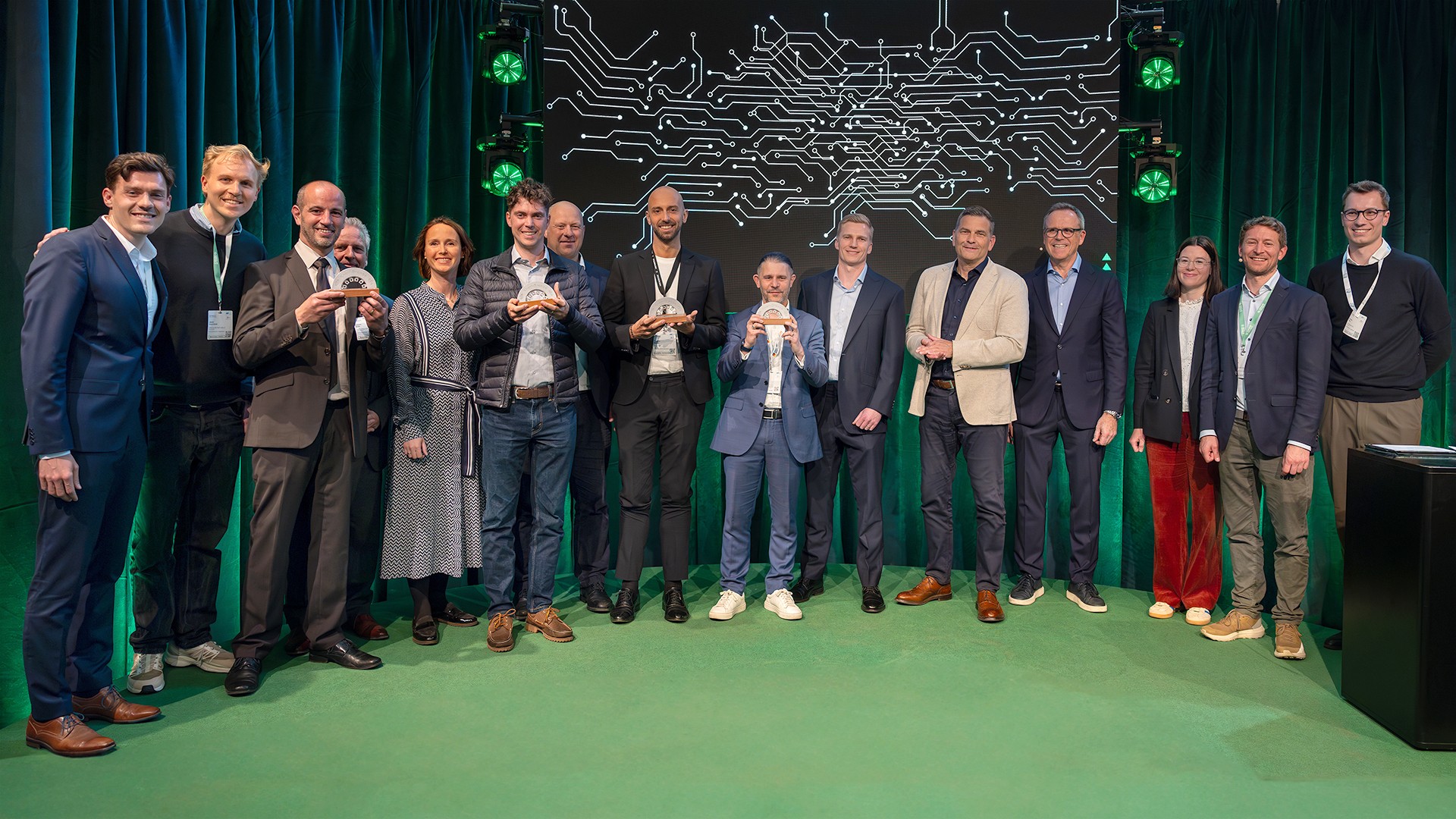
Who are the four winners – and how did their Green Tech solutions impress the jury?
Category: Automated Disassembly
In the Automated Disassembly category, the two start-ups R3 Robotics and Hiro Robotics were selected as winners. Both convinced the jury with their AI‑based robotic solutions for the non‑destructive disassembly of complex industrial e‑waste and batteries.
R3 Robotics – AI‑driven robotic lines for the automated and safe dismantling of batteries
R3 Robotics Company Profile:
Founded in Luxembourg, R3 Robotics (formerly Circu Li‑ion) develops automated solutions for the industrial disassembly of end‑of‑life components from electrified vehicles. Over recent years, the company has expanded its approach from battery dismantling to entire vehicle and powertrain systems and now operates corresponding facilities across Europe. Following recent funding commitments of EUR 20 million to further industrialize its technology, R3 Robotics is working to implement automated disassembly processes at industrial scale and to further develop them together with partners.
R3 Robotics combines robotics, computer vision, and specialized tooling to perform complex disassembly processes in an automated and reproducible manner. A key element of the approach is the structured collection of data during dismantling, enabling transparency and traceability along downstream reuse and recycling processes. In doing so, the solution addresses a central challenge of the circular economy: the safe and economically viable processing of growing volumes of complex high‑voltage and electronic systems.
What impressed the jury about R3 Robotics?
The jury particularly acknowledged R3 Robotics’ consistently industrially oriented approach to establishing automated disassembly as a scalable element of future value chains. Highlighted were the technology’s ability to cope with varying product designs and real‑world operating conditions, as well as its strong focus on process stability and traceability. Given increasing electrification and rising return volumes, the jury sees such solutions as an important step towards more efficient and better integrated circularity processes.
Against the backdrop of growing circularity requirements, Knorr‑Bremse continuously explores new technological approaches to further develop disassembly and remanufacturing processes. Solutions like those developed by R3 Robotics could, in the future, help improve efficiency and traceability in this field and provide valuable practical insights in a rapidly growing technology domain.
Hiro Robotics – Non-destructive, robot-based dismantling of electronic waste
Hiro Robotics Company Profile:
Founded in Genoa, Italy, Hiro Robotics develops robotics‑ and AI‑based systems for the automated disassembly and sorting of electrical and electronic waste. The company focuses on further advancing existing recycling processes, particularly in the field of waste electrical and electronic equipment (WEEE), by automating manual, repetitive, and energy-intensive steps in the treatment of complex electronic products. Its systems are already operational in customer facilities, with more than 20,000 hours of runtime and field data collection.
Hiro Robotics’ solutions are based on modular robotic platforms capable of automatically disassembling and sorting electronic devices and components. They are designed to operate in real-world recycling environments, where end-of-life electronics are highly heterogeneous and unpredictable, often arriving without reliable information about their model, condition, or internal configuration. This enables the selective recovery of valuable materials and components while reducing the physical strain on employees performing repetitive and demanding tasks. By combining automation with flexible process designs, Hiro Robotics addresses the increasing complexity of modern electronic products.
What impressed the jury about Hiro Robotics?
The jury was particularly impressed by Hiro Robotics’ practical approach to automating disassembly and sorting processes within a rapidly growing waste and resource stream. Special recognition was given to the technology’s modular architecture and its clear potential to modernize existing recycling processes step by step and support the recovery of valuable materials. In light of rising volumes of electronic waste and growing demands for resource efficiency, the jury sees such solutions as an important contribution to advancing circular value‑creation systems.
For Knorr‑Bremse, engaging with solutions like those offered by Hiro Robotics opens up new perspectives on handling electronic components at the end of their life cycle. In particular, the combination of automated disassembly and targeted material separation provides valuable reference points for future concepts in spare‑parts management, reuse, and responsible material utilization. Potential further cooperation with specialized technology start‑ups such as Hiro Robotics could enable Knorr‑Bremse to continuously assess innovative technological approaches and their relevance for industrial applications.
Category: Critical Raw Materials Recovery
The winners in the Critical Raw Materials Recovery category were the start-ups DEScycle and HyProMag, both of which impressed with unique metallurgical processes enabling the recovery of critical metals—such as copper—in very high purity.
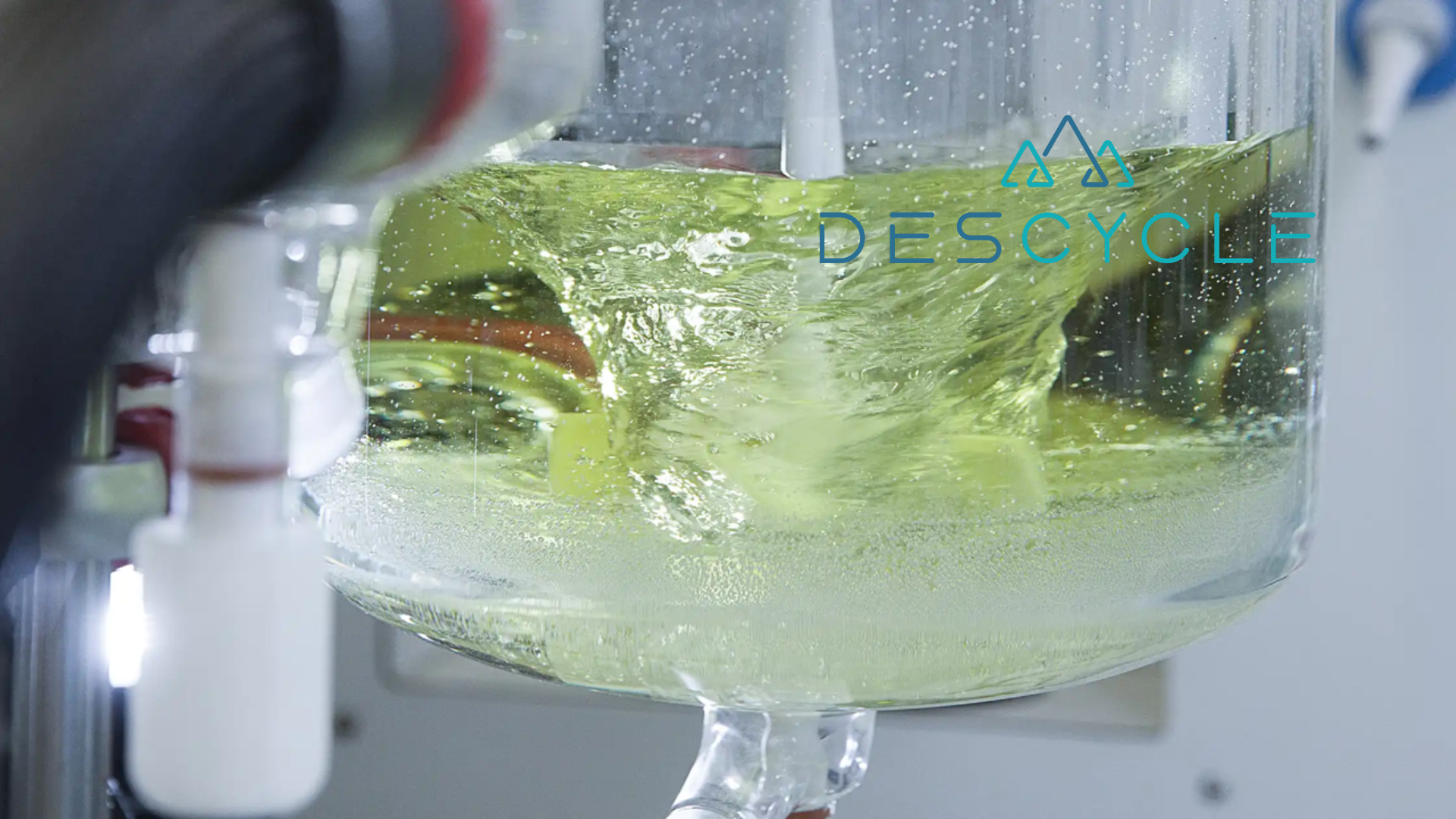
DEScycle – Low-emission ionometallurgy process for the highly efficient recovery of metals from electronic waste
DEScycle Company Profile:
Founded in London, UK, DEScycle develops innovative processes for recovering critical and valuable metals from complex industrial waste streams and electronic waste. The company aims to complement conventional metallurgical processes with alternative chemical methods, thereby creating new options for more resource‑efficient raw‑material supply. With its technology‑driven approach, DEScycle seeks to make recycling processes more flexible and locally scalable, strengthening the reuse of valuable materials in industrial value chains.
DEScycle’s core technology is based on an ionometallurgical process that uses specialized solvents to selectively dissolve and separate metals at comparatively low temperatures. This approach enables the treatment of diverse material streams and the targeted recovery of valuable metals while reducing the need for energy‑intensive process steps.
A distinctive feature of the solution is the combination of chemical selectivity and modular process design, supporting flexible integration into existing recycling and production environments.
What impressed the jury about DEScycle?
The jury was particularly convinced by DEScycle’s technology‑driven approach to opening up new pathways for recovering critical raw materials from increasingly complex material streams. The innovation of the chemical process and its clear potential to make recycling more sustainable and less dependent on primary raw‑material sources were especially recognized. Against a backdrop of rising material demand and growing requirements for resource efficiency, the jury views such solutions as an important contribution to strengthening circular and resilient supply chains.
For Knorr‑Bremse, secure and sustainable access to critical materials is becoming increasingly important, both ecologically and strategically. Technologies such as DEScycle’s can provide valuable impulses for using industrial side streams more effectively as future raw‑material sources and for further developing closed material loops step by step. By awarding DEScycle and continuing dialogue with such innovative technology providers, Knorr‑Bremse is able to gain early insights into new approaches and systematically assess their potential role in future procurement and circularity strategies.
HyProMag – Unique hydrogen‑based recycling process for high‑performance magnets
HyProMag Company Profile:
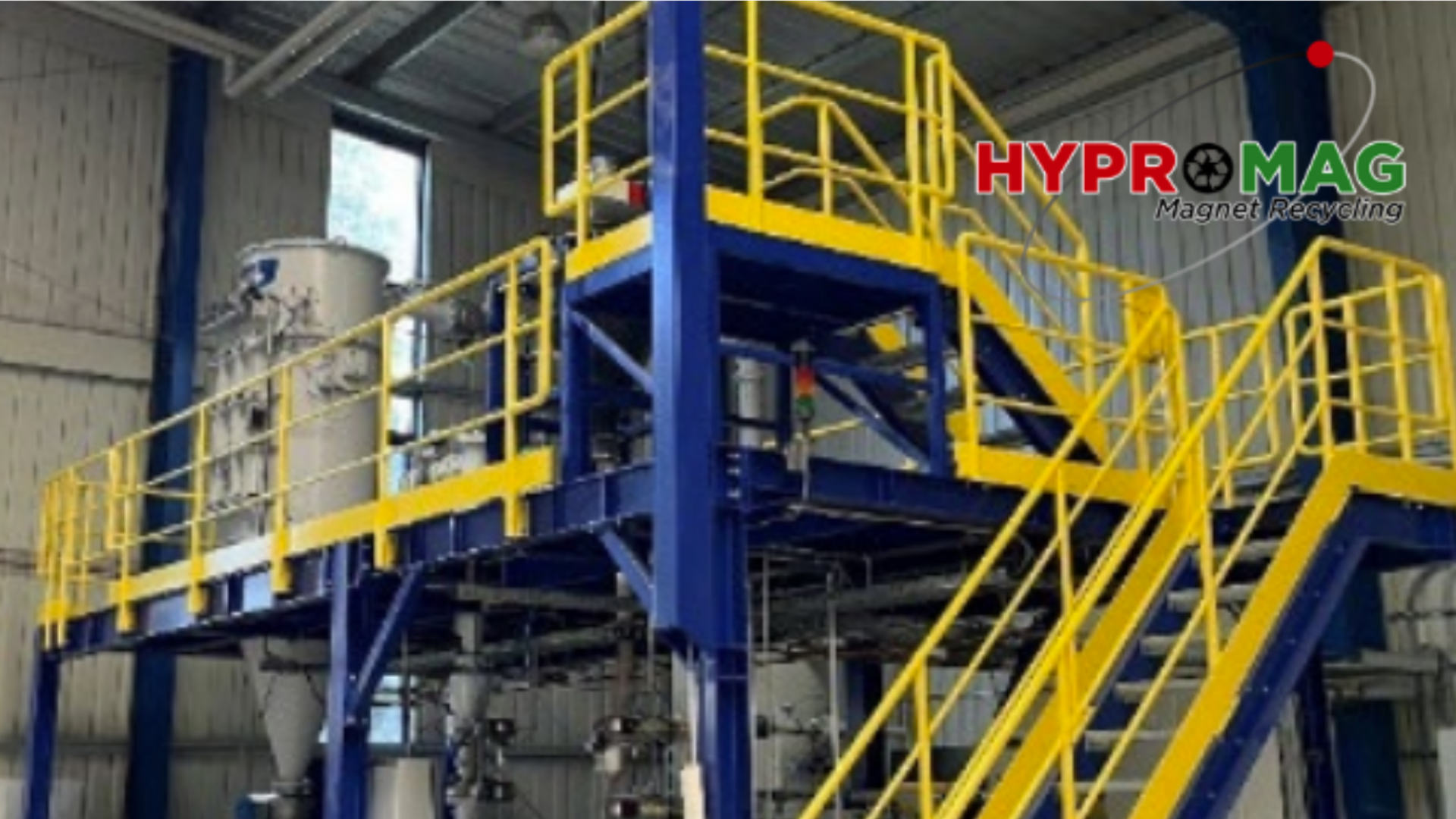
Based in Pforzheim, Germany, HyProMag develops technologies for recycling high‑performance rare‑earth magnets from end‑of‑life products and production scrap. Building on scientific advances in magnet recycling, the company aims to expand the industrial use of recycled magnet materials in Europe. By focusing on the recovery of strategically important materials, HyProMag addresses a key challenge arising from the energy transition and the increasing electrification of industry and mobility.
HyProMag employs a specialized process in which rare‑earth magnets are directly recovered from existing components and reprocessed for reuse. This so‑called short‑loop approach avoids several energy‑intensive steps of conventional primary production and enables more efficient utilization of already available material resources. The technology is designed to diversify access to critical magnet materials while reducing environmental impact along the value chain.
What impressed the jury about HyProMag?
The jury particularly recognized HyProMag’s clear focus on recovering and reusing strategically important materials that are essential for numerous future technologies. Highlighted were the industrial relevance of the approach and its potential to gradually reduce existing dependencies within global supply chains. In view of rising demand for electric drive systems and automation technologies, the jury considers such solutions an important building block for more resilient long‑term material supply.
For Knorr‑Bremse, the availability of high‑performance magnet materials plays an important role in various electrical and mechatronic applications. Approaches such as HyProMag’s open up new opportunities to return valuable components to the production cycle at the end of their life. HyProMag’s technology could support Knorr‑Bremse in broadening future material strategies and in evaluating the potential of circular use of critical raw materials at an early stage.
From award to application – what are the next steps?
With the selection of the four winners of the Knorr‑Bremse Circular Technology Award, Knorr‑Bremse is now entering the next phase: in‑depth evaluation of the awarded solutions. The aim is to further explore their technological and industrial potential together with experts from the Rail Vehicle Systems (RVS) and Commercial Vehicle Systems (CVS) divisions and to validate them for a potential next proof‑of‑concept (PoC) phase. Planned activities include intensive exchanges with all finalists—from detailed technical discussions and on‑site visits at Knorr‑Bremse locations to meetings at the start‑ups’ demonstration plants or technology centers. Based on these insights, Knorr‑Bremse intends to select up to two particularly promising approaches and jointly set up corresponding PoCs with the start‑ups by the end of the summer.
Each PoC is planned to run for approximately three months. The goal is to obtain reliable initial results as early as autumn of this year, enabling Knorr‑Bremse and the start‑ups to decide on possible next steps—such as further scaling or integration into concrete company processes—still within the current year. For the implementation of the PoCs, Knorr‑Bremse and the Heinz Hermann Thiele Family Foundation will jointly provide funding of up to EUR 150,000 per PoC to rigorously validate the industrialization potential of the selected Green Tech solutions.
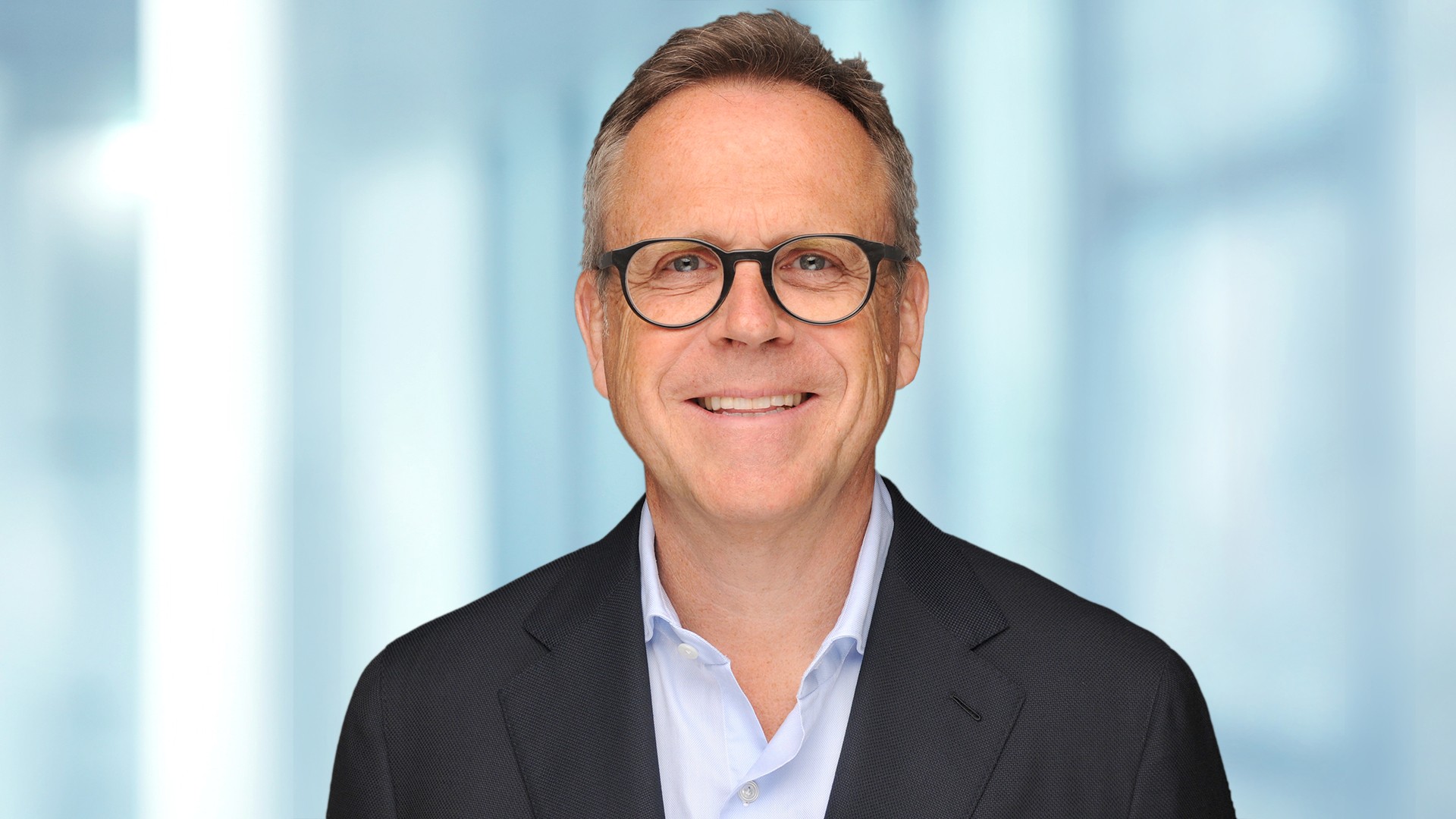
Following the award ceremony, we want to further advance collaboration with the winning teams and explore concrete opportunities for cooperation. One key element will be a proof‑of‑concept phase, in which selected solutions can be tested and evaluated in an industrial environment.
Oliver Klug – Chief Strategy & Transformation Officer, Knorr‑Bremse AG
The proof‑of‑concept phase represents the next planned step in establishing and developing Green Technologies as a new growth field at Knorr‑Bremse, systematically unlocking future potential in the area of circular economy. The Circular Technology Award thus goes far beyond recognizing visionary ideas—it serves as a concrete starting point for translating them into industrial reality together with strong partners.